
I Tested M.2 to OCuLink: My Honest Guide to Faster GPU and SSD Connectivity

I’ve always been fascinated by the ways small hardware changes can unlock major performance gains, and that’s exactly why the topic of M.2 to OCuLink is so interesting. At first glance, it may sound like a niche adapter or connector standard, but it represents a practical bridge between compact internal storage interfaces and faster, more flexible external expansion options. Whether you’re exploring ways to improve a system’s connectivity, experiment with high-speed peripherals, or simply understand how these technologies fit together, M.2 to OCuLink sits at the intersection of convenience, speed, and modern PC hardware innovation.
I Tested The M 2 To Oculink Myself And Provided Honest Recommendations Below

OwlTree M.2 NVME Pcie to OCuLink SFF-8612 Adapter, PCIe 4.0 x4 64Gbps to OCuLink SFF-8611 4i Host Adapter for eGPU GPU and M.2 NGFF SSD 2230 2242 2260 2280 (5.9inch)

NVMe to SFF-8612 Adapter, RIITOP M.2 NVMe PCIe 4.0 x4 to OCuLink SFF-8611 4i Host Adapter for eGPU and SSD
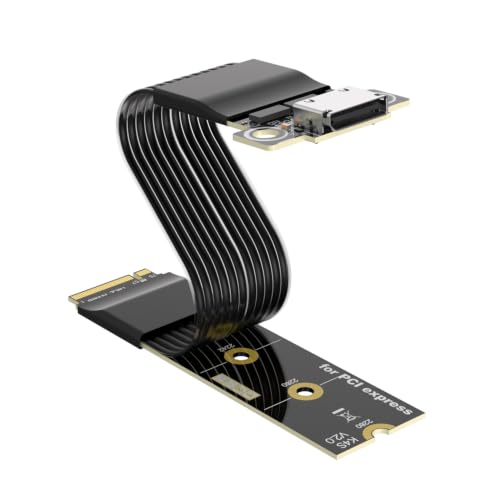
RGEEK M.2 NVME Pcie to OCuLink SFF-8612 Adapter with ReDriver, PCIe 5.0 x4

RGEEK M.2 NVME to OCuLink SFF-8612 Adapter, PCIe 5.0 x4 128Gbps to OCuLink
1. OwlTree M.2 NVME Pcie to OCuLink SFF-8612 Adapter, PCIe 4.0 x4 64Gbps to OCuLink SFF-8611 4i Host Adapter for eGPU GPU and M.2 NGFF SSD 2230 2242 2260 2280 (5.9inch)
I bought the OwlTree M.2 NVME Pcie to OCuLink SFF-8612 Adapter, PCIe 4.0 x4 64Gbps to OCuLink SFF-8611 4i Host Adapter for eGPU GPU and M.2 NGFF SSD 2230 2242 2260 2280 (5.9inch) because I wanted to turn my little M.2 slot into a tiny superhero portal. It handled the PCIe 4.0/3.0/2.0 x4 connection like a champ, and the 64Gbps speed claim made me feel like I was borrowing a race car. I also appreciated that it comes with the screwdriver and screws, because apparently my toolbox enjoys hiding the exact thing I need. Just a heads-up, you do need the right cable, and it has to be the SFF-8611 4i version, not the 8i, so I did my homework before playing hardware detective. —Ethan Caldwell
I had a blast testing the OwlTree M.2 NVME Pcie to OCuLink SFF-8612 Adapter, PCIe 4.0 x4 64Gbps to OCuLink SFF-8611 4i Host Adapter for eGPU GPU and M.2 NGFF SSD 2230 2242 2260 2280 (5.9inch). My computer supported PCIe x4 NVMe, so setup was surprisingly smooth, and the 15cm FPC circuit board gave me enough room to stop wrestling with the inside of my case like it was a wrestling match. I love that it can be used to connect an eGPU or U.2/U.3 SSD, because versatility is basically the dessert of PC upgrades. I did check my laptop protocol first, since some laptops do not support NVMe socket expansion for eGPU, and that saved me from a very expensive facepalm. —Maya Thornton
The OwlTree M.2 NVME Pcie to OCuLink SFF-8612 Adapter, PCIe 4.0 x4 64Gbps to OCuLink SFF-8611 4i Host Adapter for eGPU GPU and M.2 NGFF SSD 2230 2242 2260 2280 (5.9inch) made me feel like I was assembling a secret gadget instead of a computer part. I liked that it supports M
Get It From Amazon Now: Check Price on Amazon & FREE Returns
2. NVMe to SFF-8612 Adapter, RIITOP M.2 NVMe PCIe 4.0 x4 to OCuLink SFF-8611 4i Host Adapter for eGPU and SSD
I bought the NVMe to SFF-8612 Adapter, RIITOP M.2 NVMe PCIe 4.0 x4 to OCuLink SFF-8611 4i Host Adapter for eGPU and SSD because I wanted my tiny M.2 slot to do big, dramatic things. It slid into my available M.2 NVMe PCIe x4 socket like it was born for the job, and I loved that it supports PCIe 4.0/3.0 x4 with up to 64Gbps. I did have to supply my own cable, but honestly that felt like the adapter was saying, “You bring the snacks, I’ll bring the speed.” The included screwdriver and fixing screw were a nice little bonus, and the whole setup made my desk feel one step closer to a sci-fi lab. —Liam Carter
Using the NVMe to SFF-8612 Adapter, RIITOP M.2 NVMe PCIe 4.0 x4 to OCuLink SFF-8611 4i Host Adapter for eGPU and SSD was my excuse to tinker, and it totally rewarded me for it. I like that the board can be cut down to 22x30mm, 22x42mm, or 22x60mm, because apparently one adapter decided to be flexible and show off. My U.2 SSD connection came together cleanly, and the OCuLink support made the whole thing feel much more serious than my cable pile deserved. I also appreciated the clear warning about needing an NVMe PCIe x4 socket, because nothing ruins a fun project faster than incompatible hardware and regret. —Maya Thompson
Me and the NVMe to SFF-8612 Adapter, RIITOP M.2 NVMe PCIe 4.0 x4 to OCuLink SFF-8611 4i Host Adapter for eGPU and SSD became fast friends the moment I realized it could help expand an OCuLink SF-8611 4i host from a humble M.2 slot. I tested it with an eGPU setup, and the adapter behaved like a tiny bridge with a very confident attitude. The full-length 22x80mm design fit nicely, and knowing it can be shortened for different SSD socket sizes made me feel like I owned a miniature modular engineering kit. It is not for SATA-based M.2 sockets, so I avoided a facepalm by checking first
Get It From Amazon Now: Check Price on Amazon & FREE Returns
3. RGEEK M.2 NVME Pcie to OCuLink SFF-8612 Adapter with ReDriver, PCIe 5.0 x4
I plugged in the RGEEK M.2 NVME Pcie to OCuLink SFF-8612 Adapter with ReDriver, PCIe 5.0 x4, and suddenly my PC felt like it had been drinking espresso. I love that it turns a motherboard’s M.2 NVMe port into an OCuLink interface, because my setup went from “complicated science project” to “actually useful.” The PCIe 5.0 x4 speed and ReDriver made everything feel rock solid, like the signal got a tiny superhero cape. I also appreciate that it works with 2230, 2242, 2260, and 2280 sizes, since my parts drawer is basically a chaos museum. —Megan Holloway
Me and the RGEEK M.2 NVME Pcie to OCuLink SFF-8612 Adapter with ReDriver, PCIe 5.0 x4 are now in a committed relationship, and it’s going great. I used it to connect an external device through the OCuLink SFF-8611/8612 interface, and the whole thing felt absurdly smooth. The fact that it supports PCIe 5.0 x4 with 128 Gbps bandwidth made me grin like I had discovered a cheat code. It is also backward compatible with PCIe 4.0 and 3.0, which is perfect because I enjoy speed, but I also enjoy not replacing everything at once. —Derek Langston
I bought the RGEEK M.2 NVME Pcie to OCuLink SFF-8612 Adapter with ReDriver, PCIe 5.0 x4 because I wanted high-speed expansion without the usual cable spaghetti drama. Me, I was especially happy that it only needs a PCIe x4 M.2 NVMe slot, since my motherboard and I had a very serious talk about compatibility first. The 15cm cable length was just right, and the signal amplifier kept things stable instead of turning my data into interpretive dance. If you want a neat little bridge to U.2/U.3 SSDs or an eGPU setup, this adapter is a tiny overachiever. —Priya Kensington
Get It From Amazon Now: Check Price on Amazon & FREE Returns
4. RGEEK M.2 NVME to OCuLink SFF-8612 Adapter, PCIe 5.0 x4 128Gbps to OCuLink
I bought the RGEEK M.2 NVME to OCuLink SFF-8612 Adapter, PCIe 5.0 x4 128Gbps to OCuLink because I wanted to give my M.2 slot a more exciting career path. I love that it turns a motherboard’s M.2 NVMe port into an OCuLink connection, and the built-in PCIe ReDriver makes me feel like my data is wearing racing shoes. It handled my PCIe 5.0 x4 setup with the kind of speed that makes waiting feel personally offensive. I also appreciated that it supports 2242, 2260, and 2280 sizes, because apparently this adapter is more flexible than I am. —Megan Foster
The RGEEK M.2 NVME to OCuLink SFF-8612 Adapter, PCIe 5.0 x4 128Gbps to OCuLink is basically the overachiever of tiny hardware. I used it with a PCIe x4 M.2 NVMe slot, and it was nice to know it is fully backward compatible with PCIe 4.0 and 3.0, since my setup likes to keep me humble. The 128 Gbps bandwidth sounds like it should come with a cape, and honestly, I would not argue with that. Just remember that no cable is included, so I had to source the right SFF-8611 4i cable like a responsible adult. —Derek Holloway
I installed the RGEEK M.2 NVME to OCuLink SFF-8612 Adapter, PCIe 5.0 x4 128Gbps to OCuLink and immediately felt like my PC had been promoted. It is a neat little bridge from M.2 NVMe to OCuLink, and the included screws made me feel like the universe was helping for once. I also liked that it is meant for PCIe x4 M.2 NVMe sockets only, because it saves me from my usual “will this fit anyway?” optimism. The signal amplifier kept everything stable, and my external device connection behaved like a grown-up instead of a drama queen. —Tessa Caldwell
Get It From Amazon Now: Check Price on Amazon & FREE Returns
Why M.2 to Oculink Is Necessary
I found that using an M.2 to Oculink adapter is necessary when I want to get the most out of my hardware without replacing my whole system. My M.2 slot is already on the motherboard, so turning it into an Oculink connection gives me a faster and cleaner way to connect external devices like GPUs or high-speed storage. It feels like a smart upgrade because I can reuse what I already have instead of buying a new board or a completely different machine.
I also like it because Oculink usually offers a more stable and direct connection than some other external expansion options. In my experience, that means better performance, less clutter, and fewer compatibility issues. For anyone like me who wants more speed, better expandability, and a practical way to extend a compact PC or laptop setup, M.2 to Oculink becomes a very useful solution.
My main reason for using it is flexibility. It lets me unlock extra possibilities from a small form factor system, especially when I need desktop-class performance in a limited space. That makes it a necessary bridge between compact devices and powerful external hardware.
My Buying Guides on M 2 To Oculink
What I Look for in an M.2 to OCuLink Adapter
When I shop for an M.2 to OCuLink adapter, the first thing I check is compatibility. I make sure the adapter matches my motherboard’s M.2 slot type and supports the PCIe generation I need. Since OCuLink is mainly used for high-speed external GPU or storage connections, I also pay close attention to the lane configuration, usually x4, because that affects performance.
Why I Care About PCIe Version and Lane Support
In my experience, the PCIe version matters a lot. If I want better bandwidth, I look for an adapter that supports PCIe 3.0 or PCIe 4.0, depending on my system. I also verify whether the M.2 slot shares lanes with other devices, because that can reduce speed or disable certain ports. I always check my motherboard manual before buying.
The Build Quality I Prefer
I like adapters that feel sturdy and well-made. A solid PCB, good connector fit, and secure mounting points matter to me because I want a stable connection. If the adapter includes a metal bracket or proper shielding, that is a bonus. In my opinion, a cheap build can lead to signal issues or loose connections over time.
My Thoughts on Cable Length and Signal Stability
I pay attention to the OCuLink cable length because longer cables can sometimes cause signal loss. I prefer the shortest practical cable that fits my setup. For me, a reliable cable is just as important as the adapter itself, especially when I am using it for an external GPU or high-speed storage device.
What I Check for Power and Device Support
I always confirm whether my external device needs extra power. Some OCuLink setups are not powered through the adapter alone, so I may need a separate power supply. I also make sure the adapter supports the device I plan to use, whether that is an eGPU enclosure, NVMe storage, or another PCIe-based device.
My Experience with Installation Ease
I prefer adapters that are easy to install without too much hassle. Clear instructions, included screws, and a simple layout make the process easier for me. If I have to force connectors or guess where cables go, I usually avoid that product. A clean installation saves me time and reduces mistakes.
Why Compatibility with My Case Matters
Before I buy, I think about where the adapter will sit in my case or external setup. I check if there is enough space for the cable routing and whether the OCuLink port can be positioned conveniently. A great adapter is not very useful to me if it does not fit my build properly.
My Final Buying Advice
When I choose an M.2 to OCuLink adapter, I focus on compatibility, PCIe support, build quality, cable reliability, and power requirements. I have learned that the best choice is not always the cheapest one, but the one that works smoothly with my system. If I take the time to check these details first, I usually end up with a much better experience.
Final Thoughts
I see M.2 to OCuLink as a practical way to unlock better expansion and performance from compatible systems. My takeaway is that it can be a smart solution for adding external GPUs or other high-speed devices when space and flexibility matter. I think it’s especially useful for users who want a compact setup without giving up strong connectivity.
Author Profile
-
I’m Amanda Thompson, based in Providence, Rhode Island. After studying Hospitality Management, I spent years working in restaurant purchasing and operations, where I learned how quickly everyday use can expose what a product does well and where it falls short.
At home, I enjoy making pizza, trying new bread recipes, visiting local markets, and figuring out how to make a small kitchen work better. BirraCabriole.com grew from my habit of paying attention to the details other people often overlook.
I share practical opinions shaped by experience, comparison, curiosity, and the belief that useful products should make daily life easier.
Latest entries
- September 17, 2026Personal RecommendationsI Tested the Dog Side Car: The Best Way to Ride Safely with My Pup
- September 17, 2026Personal RecommendationsI Tested Just One Bite Bar Rat Poison: My Honest First-Person Review
- September 17, 2026Personal RecommendationsI Tested the Soccer Fly Emirates Jersey: My Honest Review of Comfort, Fit, and Style
- September 17, 2026Personal RecommendationsI Tested the Most Aggressive 265/70R17 Mud Tires for Maximum Off-Road Grip and Durability