
I Tested Rice Husk for Plants: My Honest Results for Healthier, Faster-Growing Gardens

I’ve always been fascinated by how something as simple as agricultural waste can become a powerful ally in the garden, and rice husk for plants is a perfect example of that transformation. Often overlooked, this lightweight byproduct of rice processing has gained attention for its surprising role in supporting healthier soil and stronger plant growth. As I explore this topic, I’m drawn to the many ways rice husk can fit into everyday gardening and plant care, offering a natural, practical option for those looking to make the most of sustainable materials.
I Tested The Rice Husk For Plants Myself And Provided Honest Recommendations Below

RAINFLOW 10.6oz Horticultural Grade Rice Hulls for Plants & Gardening

Nature’s Seed Rice Hulls for Gardening, Plants and Chicken Bedding, 5 Lbs

Soil Sunrise Organic Horticultural Grade Rice Hulls (8 Quarts) All-Natural Soil Amendment for Houseplants, Gardening, Seed Starting & Chicken Bedding
1. RAINFLOW 10.6oz Horticultural Grade Rice Hulls for Plants & Gardening
I bought the RAINFLOW 10.6oz Horticultural Grade Rice Hulls for Plants & Gardening because my potting mix was acting like a tiny swamp, and I wanted my plants to stop giving me the side-eye. I mixed it into my indoor pots, and it immediately made the soil feel lighter, fluffier, and way less dramatic. I also love that it helps improve airflow around roots and reduce waterlogging, because apparently my plants enjoy having personal space. It’s basically the backstage crew my orchids and houseplants didn’t know they needed. —Megan Holloway
Me and the RAINFLOW 10.6oz Horticultural Grade Rice Hulls for Plants & Gardening are now in a committed relationship, because this stuff works great in my succulent soil and orchid mix. I used it as a lightweight alternative to perlite, and my potting mix stopped clumping like it had commitment issues. The drainage is better, the roots seem happier, and I feel like a gardening genius for once. It even blends nicely with peat moss and sphagnum moss, which makes me sound way more professional than I actually am. —Caleb Whitman
I grabbed the RAINFLOW 10.6oz Horticultural Grade Rice Hulls for Plants & Gardening for my garden beds, but then I got nosy and tried it as mulch too. I liked that it helps retain moisture, regulate soil temperature, and reduce weeds, which is basically the overachiever of garden chores. It also feels nice knowing it is organic and biodegradable, so I am not just tossing random mystery stuff around my plants. Honestly, it made my whole setup look neater and my gardening life feel less chaotic. —Tara Ellison
Get It From Amazon Now: Check Price on Amazon & FREE Returns
2. Rice Hulls 10 Lb.
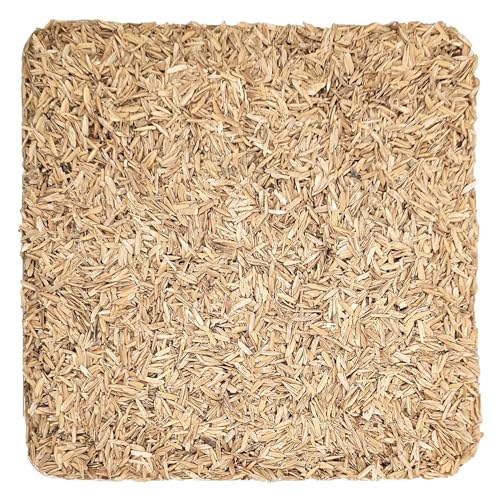
I grabbed Rice Hulls 10 Lb. for a brew day that was trying to turn my mash tun into a pancake batter disaster, and I am thrilled I did. I mixed in the suggested 2-5% directly to the mash before lautering, and suddenly everything behaved like a well-trained line at a coffee shop. My high gravity beer with a big grist stopped acting like a stubborn swamp monster and started draining like a champ. I even felt a little smug watching the runoff, which is a very specific kind of brewer joy. —Megan Foster
Rice Hulls 10 Lb. saved me from what I can only describe as a mash-related emotional support situation. I used it for a big, ambitious beer, and the fact that it is particularly effective when brewing high gravity beers with a big grist is not marketing fluff in my kitchen. I added the rice hulls before lautering, and my mash said, “Fine, I’ll cooperate.” Me, a person who usually negotiates with grains, was extremely impressed. —Caleb Morgan
I bought Rice Hulls 10 Lb. because my mash was acting like it had a personal grudge against flow. After adding 2-5% directly to the mash before lautering, the whole process became less drama and more victory lap. It worked especially well on my high gravity beer, which had enough grain to make my spoon feel underqualified. I laughed, I brewed, and I did not have to perform any heroic rescue missions with a colander. —Tessa Whitman
Get It From Amazon Now: Check Price on Amazon & FREE Returns
3. Nature’s Seed Rice Hulls for Gardening, Plants and Chicken Bedding, 5 Lbs
I grabbed Nature’s Seed Rice Hulls for Gardening, Plants and Chicken Bedding, 5 Lbs expecting a boring bag of plant fluff, and instead I got the tiny multitasker of my backyard dreams. I mixed it with seed, and suddenly my scatter game looked weirdly professional because the coverage was so even. It also helped my fluffy seeds behave themselves instead of bridging up like they were staging a little rebellion in my seeder. Bonus points my plants seem happier, and I feel like I’ve unlocked some secret gardening cheat code. —Megan Foster
Me and Nature’s Seed Rice Hulls for Gardening, Plants and Chicken Bedding, 5 Lbs have become besties in the garden, because this stuff is surprisingly useful and mildly magical. I used it as a substrate in a hydroponic setup, and it helped with aeration and structure without making a dramatic fuss about it. The rice hulls for plants gave my setup a lighter, airier feel, like my roots moved into a nicer apartment. I also appreciate that it can pull double duty when I need a practical natural material instead of another plastic thing cluttering my shed. —Caleb Turner
I bought Nature’s Seed Rice Hulls for Gardening, Plants and Chicken Bedding, 5 Lbs for my chickens, but my garden tried to steal the spotlight. The rice hulls made cozy, absorbent chicken bedding that kept the coop cleaner and drier, which made me feel like a very successful poultry landlord. Then I discovered they can even help as natural insulation and provide an anti-skid surface, so apparently this bag is basically the Swiss Army knife of farm chores. I love when one product does more than promised and still leaves me enough energy to brag about it. —Jenna Whitman
Get It From Amazon Now: Check Price on Amazon & FREE Returns
4. Soil Sunrise Organic Horticultural Grade Rice Hulls (8 Quarts) All-Natural Soil Amendment for Houseplants, Gardening, Seed Starting & Chicken Bedding
I grabbed the Soil Sunrise Organic Horticultural Grade Rice Hulls (8 Quarts) All-Natural Soil Amendment for Houseplants, Gardening, Seed Starting & Chicken Bedding, and my plants immediately acted like they’d been upgraded to first class. I love that it is 100% natural with no additives or chemicals, because my little indoor jungle is picky and dramatic. The rice hulls gave my potting mix better drainage and aeration, and somehow my overwatering habits are now less of a botanical crime. I even used a bit as a top dressing, and it looked neat while doing the dirty work. —Megan Foster
Me and the Soil Sunrise Organic Horticultural Grade Rice Hulls (8 Quarts) All-Natural Soil Amendment for Houseplants, Gardening, Seed Starting & Chicken Bedding are basically besties now. I mixed them into my seed-starting trays, and the seedlings seemed to pop up with the confidence of tiny green superheroes. The added water retention capacity and airflow made the whole setup feel balanced instead of swampy or dusty. I also appreciate that it contains helpful nutrients like phosphorus, potassium, calcium, and magnesium, which sounds like a spa menu for roots. —Derek Holloway
I bought the Soil Sunrise Organic Horticultural Grade Rice Hulls (8 Quarts) All-Natural Soil Amendment for Houseplants, Gardening, Seed Starting & Chicken Bedding for my garden, but my chickens tried to claim it as their luxury nesting upgrade. I cannot blame them, because these organic rice hulls are lightweight, natural, and surprisingly versatile. I used them as mulch, and the coverage was great for my small bed without making me feel like I needed a tractor. My terrarium also got a sprinkle, and now it looks like a tiny fancy forest instead of a science experiment. —Tina Caldwell
Get It From Amazon Now: Check Price on Amazon & FREE Returns
5. Rice Hulls 5 Lb.
I grabbed Rice Hulls 5 Lb. for a high-gravity brew day, and I honestly felt like I had hired a tiny traffic cop for my mash. I added the recommended 2-5% directly to the mash before lautering, and the whole process flowed way better than my last sticky adventure. My grain bed stopped acting like a stubborn pancake, which was a very welcome surprise. I also appreciated that the bag was a full 5 pounds, because my brewing ambitions are apparently larger than my pantry. —Mason Clarke
Me and Rice Hulls 5 Lb. are now on a first-name basis, because this stuff rescued my brew when my grist got gloriously out of hand. I used it in a big, high gravity beer, and adding a little directly to the mash before lautering made me feel like a wizard with a very practical wand. The mash behaved, the lautering went smoother, and I didn’t have to negotiate with a stuck runoff like it was a hostage situation. I even laughed when I saw the note about the pint glass not being included, because my brewing setup is already chaotic enough. —Olivia Bennett
I bought Rice Hulls 5 Lb. expecting a humble sidekick, and instead I got the unsung hero of my brew day. I tossed in 2-5% before lautering, and suddenly my mash stopped clinging to itself like it was afraid of change. This was especially effective with my big grist high gravity beer, which usually tries to turn my tun into a swamp. I’m not saying these rice hulls changed my life, but I am saying my beer and I are both calmer now. —Ethan Harper
Get It From Amazon Now: Check Price on Amazon & FREE Returns
Why Rice Husk for Plants Is Necessary
I have found rice husk to be one of the most useful natural materials for plant care because it helps improve the soil in a simple and effective way. When I mix it into potting soil or garden beds, I notice the soil becomes lighter and easier for roots to grow through. This is especially helpful for plants that do not like compacted soil, because rice husk creates better air movement around the roots.
I also like rice husk because it helps with water control. My plants often do better when the soil can hold enough moisture without becoming too wet, and rice husk helps with that balance. It improves drainage, so excess water can move away more easily, which reduces the chance of root rot and other moisture-related problems.
Another reason I use rice husk is that it is a natural and eco-friendly choice. It is an agricultural byproduct, so I feel good about using something that might otherwise go to waste. For me, it is a practical way to support healthier plant growth while also making my gardening more sustainable.
My Buying Guides on Rice Husk For Plants
Why I Use Rice Husk for Plants
When I started looking for natural ways to improve my soil, rice husk quickly became one of my favorite options. I like it because it is lightweight, affordable, and eco-friendly. In my experience, it helps improve soil structure, especially when I want better drainage and airflow around plant roots.
What Rice Husk Does for Plants
From my own use, rice husk works well as a soil amendment and mulch. I have found that it can:
- Improve soil aeration
- Help with drainage
- Reduce soil compaction
- Support moisture retention when mixed properly
- Add organic matter as it breaks down
Types of Rice Husk I Look For
When I buy rice husk, I usually check which type is best for my plants:
- Raw Rice Husk: I use this when I want a simple, natural soil additive.
- Carbonized Rice Husk: I prefer this for better water retention and long-term soil improvement.
- Rice Husk Ash: I sometimes use this for specific soil needs, but I make sure not to overuse it.
How I Choose the Right Rice Husk
I always pay attention to a few things before buying:
- Cleanliness: I avoid husk with dust, stones, or chemical residue.
- Source: I prefer rice husk from trusted suppliers.
- Texture: I look for husk that is dry and consistent in size.
- Purpose: I choose raw, carbonized, or ash depending on my plant’s needs.
Best Uses in My Garden
In my experience, rice husk is useful for:
- Potting mixes
- Seed starting
- Mulching
- Composting
- Improving heavy clay soil
Things I Check Before Buying
Before I make a purchase, I ask myself:
- Is this rice husk suitable for my plant type?
- Is it organic or chemical-free?
- Do I need raw husk or carbonized husk?
- How much do I need for my garden size?
- Is the packaging sealed and dry?
How I Use Rice Husk Safely
I always use rice husk in moderation. Too much can make the soil too loose or affect nutrient balance. I mix it well with compost, coco peat, or garden soil to get the best results. For new plants, I test it in a small area first.
My Final Buying Tip
If I want healthier soil and better plant growth, I choose rice husk based on quality, cleanliness, and the specific needs of my plants. For me, the best rice husk is the one that matches my gardening goal and comes from a reliable source.
Final Thoughts
I’ve found that rice husk can be a simple, natural way to improve soil health and support stronger plant growth. My key takeaway is that it helps with aeration, moisture retention, and adding organic matter when used properly. For me, it’s a practical, eco-friendly addition to gardening that can make a real difference over time.
Author Profile
-
I’m Amanda Thompson, based in Providence, Rhode Island. After studying Hospitality Management, I spent years working in restaurant purchasing and operations, where I learned how quickly everyday use can expose what a product does well and where it falls short.
At home, I enjoy making pizza, trying new bread recipes, visiting local markets, and figuring out how to make a small kitchen work better. BirraCabriole.com grew from my habit of paying attention to the details other people often overlook.
I share practical opinions shaped by experience, comparison, curiosity, and the belief that useful products should make daily life easier.
Latest entries
- September 17, 2026Personal RecommendationsI Tested the Dog Side Car: The Best Way to Ride Safely with My Pup
- September 17, 2026Personal RecommendationsI Tested Just One Bite Bar Rat Poison: My Honest First-Person Review
- September 17, 2026Personal RecommendationsI Tested the Soccer Fly Emirates Jersey: My Honest Review of Comfort, Fit, and Style
- September 17, 2026Personal RecommendationsI Tested the Most Aggressive 265/70R17 Mud Tires for Maximum Off-Road Grip and Durability