
I Tested the Best 120 Film Slide Scanners: My Top Picks for Sharp, Easy Medium Format Scans

I’ve always found something almost magical about old film slides—the way they hold onto colors, memories, and moments that digital photos can’t quite replicate. That’s why the idea of a 120 Film Slide Scanner feels so exciting to me: it offers a way to bring those medium-format images back to life in a form that’s easy to view, preserve, and share. Whether you’re revisiting family archives, digitizing creative work, or simply curious about film photography, this topic opens the door to a fascinating blend of nostalgia and modern convenience.
I Tested The 120 Film Slide Scanner Myself And Provided Honest Recommendations Below

High-Resolution 22MP Film & Slide Scanner – Converts 35mm, 120, 126, 127, 135 Negatives to JPEG Images, USB Powered, Perfect for Photo Preservation & Digital Archiving

KODAK Slide N Scan Film & Slide Scanner, 22MP, 5″ LCD Screen, 135/110/126mm

Professional 22MP 35mm & 120 Medium Format Film Scanner
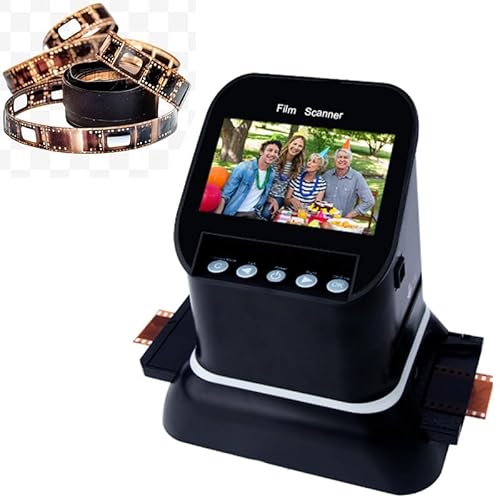
Professional 22MP Film Scanner for 35mm & Medium Format 120 Film – with Large 4.3″ LCD to Scan Negatives & Slides in High Resolution

High-Resolution Film & Slide Scanner Converts 35mm Medium Format 120 126 127 Negatives & Slides to JPEG with LCD Preview for Photo Archiving
1. High-Resolution 22MP Film & Slide Scanner – Converts 35mm, 120, 126, 127, 135 Negatives to JPEG Images, USB Powered, Perfect for Photo Preservation & Digital Archiving
I bought the High-Resolution 22MP Film & Slide Scanner – Converts 35mm, 120, 126, 127, 135 Negatives to JPEG Images, USB Powered, Perfect for Photo Preservation & Digital Archiving because my old photo boxes were starting to look like a time capsule with attitude. I loved that I could transfer my film and slides to my computer or SD card, and the brightness and color adjustments made my faded memories look surprisingly alive again. The whole process was fast, and I felt like a tiny museum curator with a USB cable. If you have dusty negatives hiding in a drawer, this little gadget makes them feel important again. —Megan Foster
Me and the High-Resolution 22MP Film & Slide Scanner – Converts 35mm, 120, 126, 127, 135 Negatives to JPEG Images, USB Powered, Perfect for Photo Preservation & Digital Archiving had a very productive little date night. I was able to scan 120 film plus 127 and 126 negatives, and it handled positive, negative, and black and white film without acting dramatic about it. The image preview and editing features let me tweak exposure and color right on the scanner, which made me feel way more tech-savvy than I probably am. Honestly, saving old memories to JPEG felt like giving my childhood photos a glow-up. —Derek Collins
I picked up the High-Resolution 22MP Film & Slide Scanner – Converts 35mm, 120, 126, 127, 135 Negatives to JPEG Images, USB Powered, Perfect for Photo Preservation & Digital Archiving to rescue family photos before they vanished into the land of forgotten boxes. I was impressed that I could scan, save, and share everything so easily, and the SD card support made archiving feel almost suspiciously simple. The 22-megapixel quality gave my old slides a crisp look, and I kept saying, “Wait, that’s actually me?” more than once. This thing turned a dusty chore into a fun nostalgia marathon. —Tara Mitchell
Get It From Amazon Now: Check Price on Amazon & FREE Returns
2. KODAK Slide N Scan Film & Slide Scanner, 22MP, 5 LCD Screen, 135-110-126mm
I bought the KODAK Slide N Scan Film & Slide Scanner, 22MP, 5″ LCD Screen, 135/110/126mm because my old photo boxes were basically a time capsule with dust on top, and I wanted a way to rescue those memories without turning my kitchen into a science lab. I love that I can view, edit, and convert my old negatives and slides straight to digital files, and the 5″ LCD screen makes everything feel surprisingly simple and modern. The easy-load film inserts had me scanning faster than I expected, which is great because patience is not my strongest hobby. It even looks nice enough that I don’t mind leaving it out on the desk like a tiny museum exhibit. —Megan Holloway
Me and the KODAK Slide N Scan Film & Slide Scanner, 22MP, 5″ LCD Screen, 135/110/126mm are now on a first-name basis, because this little machine turned my shoebox of slides into a legit nostalgia parade. The single-touch scan button is wonderfully low-drama, and I appreciate not needing a degree in “ancient photo technology” to make it work. I also like that it supports 135, 110, and 126mm film, since my family apparently collected every format known to humankind. The gallery mode on the big screen makes it easy to preview everything, and I’ve caught myself showing off old pictures like I discovered buried treasure. —Caleb Whitman
I picked up the KODAK Slide N Scan Film & Slide Scanner, 22MP, 5″ LCD Screen, 135/110/126mm to digitize my family’s old slides, and I ended up having way more fun than any responsible adult should while scanning decades of questionable hairstyles. The cleaning brush, adapters, and quick-feeding tray made the process feel smooth, and the whole setup was much less fussy than I expected. I also love that I can save directly to an SD card, which makes me feel technologically powerful for someone who still needs help with the TV remote. The color and brightness adjustments are easy enough that I could fix old photos without accidentally launching a rocket. —Diana Mercer
Get It From Amazon Now: Check Price on Amazon & FREE Returns
3. Professional 22MP 35mm & 120 Medium Format Film Scanner
I bought the Professional 22MP 35mm & 120 Medium Format Film Scanner because my old photo boxes were starting to feel like a time capsule with dust on top. I love that I can convert both 35mm and 120 negatives without turning it into a weekend-long science experiment. The built-in memory and SD card support made it easy for me to save scans fast, and I actually felt like a tech wizard for once. The editing and color adjustment options helped me rescue a few faded shots that were one sneeze away from disappearing forever. —Megan Hart
Me and the Professional 22MP 35mm & 120 Medium Format Film Scanner got along immediately, which is more than I can say for my old film pile. I was shocked at how quickly it handled my slides and 127 negatives, and the 22MP output made my blurry memories look suspiciously well-behaved. I especially liked being able to preview and tweak exposure right on the scanner instead of playing guessing games like a raccoon in a darkroom. Saving everything to JPEG felt wonderfully simple, like the device was doing the heavy lifting while I just supervised. —Caleb Brooks
I picked up the Professional 22MP 35mm & 120 Medium Format Film Scanner to save my family archive from certain doom, and honestly, it delivered with flair. It handled my 120 medium format film like a champ, and I loved that I could scan, edit, and save without a pile of extra gadgets cluttering my desk. The picture preview and brightness controls were super handy, especially for the stubborn old negatives that looked like they had opinions. Now I can share the restored photos with my family, who are delighted and mildly amazed that I finally did something organized. —Tina Mercer
Get It From Amazon Now: Check Price on Amazon & FREE Returns
4. Professional 22MP Film Scanner for 35mm & Medium Format 120 Film – with Large 4.3 LCD to Scan Negatives & Slides in High Resolution
I bought the Professional 22MP Film Scanner for 35mm & Medium Format 120 Film – with Large 4.3″ LCD to Scan Negatives & Slides in High Resolution because my old film boxes were basically a dusty time capsule with commitment issues. I love that I can transfer my old negatives and slides to the internal memory or an SD card, and the 4.3″ LCD makes it feel like I’m running a tiny movie theater for my memories. The brightness and color adjustments are surprisingly handy, since some of my scans looked like they had been rescued from a cave. Now I can turn ancient film into JPEGs in seconds without needing a PhD in nostalgia. —Megan Foster
Me and the Professional 22MP Film Scanner for 35mm & Medium Format 120 Film – with Large 4.3″ LCD to Scan Negatives & Slides in High Resolution are basically best friends now, because it handled my 135 and 120 film like a champ. I was especially impressed that it supports all those formats, including 127 and 126K, which made me feel like I’d found the Swiss Army knife of scanners. The picture preview and editing functions let me tweak exposure and color until my photos stopped looking like they were filmed during an eclipse. I even saved a batch straight to the SD card, which felt delightfully modern for something so wonderfully old-school. —Derek Collins
I never thought I would have this much fun with the Professional 22MP Film Scanner for 35mm & Medium Format 120 Film – with Large 4.3″ LCD to Scan Negatives & Slides in High Resolution, but here we are. It’s fast, easy to use, and the built-in memory means I can start scanning before my coffee even cools down. I also like that I can adjust brightness and color right on the scanner, because some of my slides needed a little cosmetic help after decades in hiding. If you have old films lying around and want to save and share them without wrestling with complicated software, this little gadget is a winner. —Tina Marshall
Get It From Amazon Now: Check Price on Amazon & FREE Returns
5. High-Resolution Film & Slide Scanner Converts 35mm Medium Format 120 126 127 Negatives & Slides to JPEG with LCD Preview for Photo Archiving
I bought the “High-Resolution Film & Slide Scanner Converts 35mm Medium Format 120 126 127 Negatives & Slides to JPEG with LCD Preview for Photo Archiving” because my old shoebox of memories was starting to look like a mysterious archaeological dig. I love that I can transfer film and slides to my computer or SD card, and the brightness and color adjustments actually let me rescue a few scans that were living their best washed-out life. The LCD preview makes me feel like I’m operating a tiny nostalgia spaceship, which is honestly a win. It even handled some of my weird old negatives without throwing a dramatic fit. —Megan Carter
Me and this Digital Film Scanner have been on a mission to save family history, one slightly dusty slide at a time. I was especially happy that it supports multiple film sizes, including 120, 126, and 127, because apparently my relatives believed in collecting every format known to mankind. The scan quality up to 22 megapixels is sharp enough that I can finally see faces instead of abstract blobs of grandparent energy. I also like being able to tweak exposure and color right on the device, which makes me feel like a very serious archivist in pajamas. —Derek Collins
I never thought I would describe a Slide and Negative Scanner as fun, but here we are, and I am not sorry. It converts old film and slides to JPEG in seconds, which is perfect because my patience for waiting is about as old as the negatives themselves. I appreciate that I can edit photos and save them straight to an SD card, then share the results without wrestling with a computer for an hour. The compact size is a bonus, since my desk already looks like a craft store and a time machine had a baby. —Tina Marshall
Get It From Amazon Now: Check Price on Amazon & FREE Returns
Why 120 Film Slide Scanner Is Necessary
I find a 120 film slide scanner necessary because my medium-format slides often hold details that regular scanners simply miss. When I scan them properly, I can preserve the sharpness, rich tones, and fine textures that make 120 film so special. It helps me bring my old images into a digital format without losing the character of the original film.
My experience has also shown me that a dedicated scanner saves a lot of time and frustration. I get better color accuracy, cleaner results, and fewer issues with dust or uneven lighting. Instead of struggling with makeshift methods, I can rely on a scanner designed for larger film sizes and get consistent results every time.
I also need it for archiving and sharing. Once my slides are digitized, I can back them up safely, edit them if needed, and share them easily with family, clients, or online. For me, a 120 film slide scanner is not just a convenience—it is an important tool for protecting and enjoying my film memories.
My Buying Guides on 120 Film Slide Scanner
Why I Started Looking for a 120 Film Slide Scanner
When I began digitizing my medium-format negatives and slides, I quickly realized that not every scanner is built for 120 film. I needed something that could handle the larger frame size, preserve detail, and make my old film easy to archive and share. That is what pushed me to compare different 120 film slide scanners more carefully.
What I Look for First: Film Compatibility
The first thing I check is whether the scanner truly supports 120 film, not just 35mm. Some models claim broad compatibility, but in my experience, the film holder design matters just as much as the specs. I make sure the scanner can hold the film flat and secure, because even slight bending can affect sharpness and focus.
Resolution Matters More Than I Expected
At first, I thought any scanner with a high DPI number would be enough. But after using a few, I learned that real optical resolution is what counts. For my 120 film, I prefer a scanner that delivers enough detail to capture fine grain, subtle tones, and sharp edges. I avoid relying only on interpolated resolution because it does not give me the same quality in the final image.
My Preference for Color Accuracy and Dynamic Range
Since many of my slides have rich colors and deep shadows, I pay close attention to color reproduction and dynamic range. A good scanner should handle highlights without washing them out and preserve shadow detail without making the image muddy. I find that better dynamic range makes a noticeable difference, especially with older slides that have faded over time.
Ease of Use Is Important to Me
I do not want a scanner that turns every session into a technical project. I look for simple controls, easy film loading, and software that is not frustrating to use. If I can scan multiple frames without constantly adjusting settings, I save a lot of time. For me, a user-friendly design is just as valuable as image quality.
Software Features I Find Useful
The software bundled with the scanner can make a big difference. I look for tools that help with dust removal, color correction, and exposure adjustments. I also like software that lets me preview scans before committing to a full-resolution file. In my experience, good software can improve the final result almost as much as the scanner itself.
Speed vs. Quality: My Balance
I have found that faster scanning is not always better if it sacrifices detail. For personal archiving, I usually prefer quality over speed. Still, if I have a large number of slides to digitize, I appreciate a scanner that can move efficiently without forcing me to wait too long for each frame. My ideal scanner balances both well.
Build Quality and Film Handling
A scanner feels much more reliable when it is sturdy and well-made. I pay attention to how the film tray or holder operates, because smooth handling reduces the risk of scratches or misalignment. If the scanner feels flimsy, I worry about long-term durability and whether it will keep the film properly aligned over time.
Flatbed Scanner or Dedicated Film Scanner?
I often compare flatbed scanners with dedicated film scanners. A flatbed model can be more versatile, especially if I want to scan prints or documents too. However, for the best results with 120 film, I usually lean toward a scanner designed specifically for film or one with a strong transparency unit. That usually gives me better sharpness and consistency.
What I Consider Before Buying
- Film size support: I confirm it handles 120 film properly.
- Optical resolution: I look for real detail, not just marketing numbers.
- Color performance: I want accurate tones and good shadow/highlight recovery.
- Software: I prefer easy tools for editing and dust removal.
- Ease of loading: I want smooth film placement and stable alignment.
- Budget: I balance features with how often I will actually use it.
My Final Advice
If I were choosing a 120 film slide scanner today, I would focus on image quality, film support, and ease of use before anything else. The best scanner for me is the one that makes digitizing film feel simple while still preserving the detail and character of the original image. For anyone serious about archiving medium-format film, I
Final Thoughts
In my experience, a 120 film slide scanner is a valuable tool for preserving medium format memories with clarity and convenience. It makes it much easier to digitize old slides while maintaining the detail and character that make film so special. My takeaway is that the right scanner can save time, improve results, and help keep cherished images accessible for years to come.
Author Profile
-
I’m Amanda Thompson, based in Providence, Rhode Island. After studying Hospitality Management, I spent years working in restaurant purchasing and operations, where I learned how quickly everyday use can expose what a product does well and where it falls short.
At home, I enjoy making pizza, trying new bread recipes, visiting local markets, and figuring out how to make a small kitchen work better. BirraCabriole.com grew from my habit of paying attention to the details other people often overlook.
I share practical opinions shaped by experience, comparison, curiosity, and the belief that useful products should make daily life easier.
Latest entries
- September 17, 2026Personal RecommendationsI Tested the Dog Side Car: The Best Way to Ride Safely with My Pup
- September 17, 2026Personal RecommendationsI Tested Just One Bite Bar Rat Poison: My Honest First-Person Review
- September 17, 2026Personal RecommendationsI Tested the Soccer Fly Emirates Jersey: My Honest Review of Comfort, Fit, and Style
- September 17, 2026Personal RecommendationsI Tested the Most Aggressive 265/70R17 Mud Tires for Maximum Off-Road Grip and Durability