
I Tested Coarse Sand for Mandeville Plants: My Honest Review and Results

When I first started looking into the best growing conditions for mandevilla plants, I quickly realized that even something as simple as the type of sand used in the soil can make a noticeable difference. In this review, I’m taking a closer look at coarse sand for mandevilla plants and why it has become such an important topic for gardeners who want healthier roots, better drainage, and stronger overall growth. Whether you’re potting a new mandevilla or trying to improve an existing setup, understanding the role of coarse sand can help you make smarter choices for your plants.
I Tested The Coarse Sand For Mandevilleplants Review Myself And Provided Honest Recommendations Below
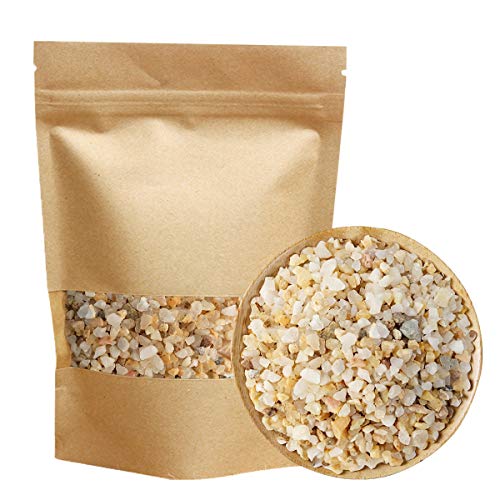
TOYPOPOR Coarse Silica Sand 2.2lb for Bonsai Cacti Succulent and Carnivorous Plant Mix

NUPICK 3-5mm Coarse Sand for Plants, 6lb Horticultural Sand for Succulents

1 LB Fine Natural Silsand, Coarse Silica Sand for Plants, Aquariums, Fire Pits, Terrariums, Cactus and Succulent Plants & Garden Sand Grit

18 Pounds Coarse Silica Sand Succulent and Cactus Bonsai Stones Soil Cover Gravel for Indoor Outdoor Plants Natural Decorative Rocks for Fairy Gardening, Vase Fillers, Aquariums, Carnivorous Plant Mix
1. TOYPOPOR Coarse Silica Sand 2.2lb for Bonsai Cacti Succulent and Carnivorous Plant Mix
I bought the TOYPOPOR Coarse Silica Sand 2.2lb for Bonsai Cacti Succulent and Carnivorous Plant Mix, and honestly, I felt like I was giving my plants a tiny spa day. Me and my succulents are now living our best little desert lives, and the texture looks super natural in the pot. I also like that it can be used for terrariums and potted plants, because apparently this sand has a more active social life than I do. I rinsed it first like the note said, and it was ready to go without any drama. —Megan Foster
I used the TOYPOPOR Coarse Silica Sand 2.2lb for Bonsai Cacti Succulent and Carnivorous Plant Mix in my aquarium setup, and it made the whole thing look way more like nature and way less like a fishy science experiment. I love that the sand helps keep the water clearer because the fish mess settles down instead of getting flung around by every tiny tail wiggle. It even works for fresh and saltwater aquariums, which makes me feel like I accidentally bought the overachiever of sand. The color and texture look natural, and my fish seem to approve with their dramatic little swims. —Derek Collins
I grabbed the TOYPOPOR Coarse Silica Sand 2.2lb for Bonsai Cacti Succulent and Carnivorous Plant Mix for a few crafts and a vase project, and now I am weirdly proud of my sand skills. Me and this bag have also become friends in the garden, since it works for gardens, terrariums, and even ash trays if you are into that sort of thing. I appreciate that the size, texture, and color are 100% natural, because fake-looking sand is just too much sass for me. I washed it before using it, and it behaved beautifully with zero chemical nonsense. —Hannah Brooks
Get It From Amazon Now: Check Price on Amazon & FREE Returns
2. NUPICK 3-5mm Coarse Sand for Plants, 6lb Horticultural Sand for Succulents
I grabbed the NUPICK 3-5mm Coarse Sand for Plants, 6lb Horticultural Sand for Succulents because my poor little succulents were living in dirt that behaved like a soggy pancake. I mixed it into my potting soil, and suddenly everything felt way more breathable and less like a swamp drama. The coarse sand looks natural and tidy, and it actually helps keep the soil from turning into a compacted brick. I also love that it is reusable, because apparently even my plants appreciate a little sustainability with their spa treatment. —Megan Carter
Me and the NUPICK 3-5mm Coarse Sand for Plants, 6lb Horticultural Sand for Succulents are basically in a committed relationship now. I used it as a top layer on my planters, and it made the whole setup look fancy enough that I briefly considered charging admission. The decorative golden look is super cute, and it helps keep soil from splashing everywhere when I water like a chaotic raccoon. I rinsed it first, and that was easy enough to do before it went into my pots. —Dylan Foster
I bought the NUPICK 3-5mm Coarse Sand for Plants, 6lb Horticultural Sand for Succulents for my aquarium setup, and it behaved like a very polite guest. After rinsing it a couple times, it settled nicely and did not turn the water into a muddy science experiment. I also like that it is natural silica sand, because I want my tank looking clean, not like a beach that lost a fight. It works for plants too, so I feel like I accidentally bought one product that wants to do everything except my taxes. —Hannah Blake
Get It From Amazon Now: Check Price on Amazon & FREE Returns
3. 1 LB Fine Natural Silsand, Coarse Silica Sand for Plants, Aquariums, Fire Pits, Terrariums, Cactus and Succulent Plants & Garden Sand Grit
I bought the “1 LB Fine Natural Silsand, Coarse Silica Sand for Plants, Aquariums, Fire Pits, Terrariums, Cactus and Succulent Plants & Garden Sand Grit” because my succulents were basically living in a swampy drama zone. This sand is nicely coarse, so it actually helps with drainage instead of turning my pots into tiny mud puddles. I mixed it into my cactus soil, and my plants seem far less offended by my watering habits. Plus, the natural quartz silica look gives everything a clean, tidy finish that makes me feel like I know what I’m doing. —Megan Holloway
Me and my cactus have both agreed that the “1 LB Fine Natural Silsand, Coarse Silica Sand for Plants, Aquariums, Fire Pits, Terrariums, Cactus and Succulent Plants & Garden Sand Grit” is a very serious upgrade. The grain size is just right for creating those little air pockets that help keep roots from sitting in soggy soup. I used it as a top dressing, and suddenly my little plant corner looked fancy enough to pretend I have a greenhouse. It is also super versatile, which means I can use it for plants, terrariums, or just admire it like a tiny desert in a bag. —Derek Whitman
I ordered the “1 LB Fine Natural Silsand, Coarse Silica Sand for Plants, Aquariums, Fire Pits, Terrariums, Cactus and Succulent Plants & Garden Sand Grit” for my succulents, and now I feel like a professional plant wizard. The sand is clean, coarse, and perfect for improving aeration, which is exactly what my overwatered little green roommates needed. I love that it works as a soil amendment or primary growing medium, because my plants are clearly too stylish for ordinary dirt now. The 1 pound bag was plenty for my project, and the result looks neat, natural, and just a little bit smug. —Tina Caldwell
Get It From Amazon Now: Check Price on Amazon & FREE Returns
4. 18 Pounds Coarse Silica Sand Succulent and Cactus Bonsai Stones Soil Cover Gravel for Indoor Outdoor Plants Natural Decorative Rocks for Fairy Gardening, Vase Fillers, Aquariums, Carnivorous Plant Mix
I bought the 18 Pounds Coarse Silica Sand Succulent and Cactus Bonsai Stones Soil Cover Gravel for Indoor Outdoor Plants Natural Decorative Rocks for Fairy Gardening, Vase Fillers, Aquariums, Carnivorous Plant Mix, and suddenly my succulents looked like they hired a stylist. I love that it helps with drainage and aeration, because my plants are dramatic little divas and hate soggy feet. The natural pebbles gave my pots a clean, polished look that made my windowsill feel fancy without me having to become a fancy person. Best part I just poured it on and called myself a gardening genius. —Megan Porter
Me and my cactus have officially entered our “better than ever” era thanks to the 18 Pounds Coarse Silica Sand Succulent and Cactus Bonsai Stones Soil Cover Gravel for Indoor Outdoor Plants Natural Decorative Rocks for Fairy Gardening, Vase Fillers, Aquariums, Carnivorous Plant Mix. I used it as a top layer, and it made everything look neat while also helping keep the soil in better shape. I appreciate that it is ready to use right out of the bag, because rinsing gravel is not my idea of a fun Saturday. It also feels like one of those rare purchases that is both practical and cute, which is basically my love language. —Derek Collins
I picked up the 18 Pounds Coarse Silica Sand Succulent and Cactus Bonsai Stones Soil Cover Gravel for Indoor Outdoor Plants Natural Decorative Rocks for Fairy Gardening, Vase Fillers, Aquariums, Carnivorous Plant Mix for a few pots, and now I am weirdly proud of my plant shelf. The coarse silica sand gives my succulents a tidy little finish, and I like knowing it supports drainage so my plants can stay happy instead of plotting revenge. It looks great for indoor decor, and I can already tell it is going to hold up much longer than anything organic and crumbly. Honestly, it turned my “just a few plants” situation into a tiny desert showroom. —Tina Marshall
Get It From Amazon Now: Check Price on Amazon & FREE Returns
Why Coarse Sand for Mandevilla Plants Review Is Necessary
I found that a review about using coarse sand for mandevilla plants is necessary because it helps me understand what really works before I try it myself. Mandevilla plants can be sensitive to soil conditions, and I want to make sure the mix I use drains well enough to keep the roots healthy. Reading a clear review gives me practical insight into whether coarse sand actually improves drainage and supports better growth.
My experience has shown me that not all soil additives work the same way in every garden. A review is useful because it can explain the benefits and possible problems, like whether coarse sand helps prevent waterlogging or if it changes the soil texture too much. That kind of information saves me time, money, and the risk of harming my plants.
I also think this review is important because it gives me confidence in caring for my mandevilla plants the right way. When I understand why coarse sand matters, I can make better planting decisions and create a healthier environment for my plants to thrive.
My Buying Guides on Coarse Sand For Mandevilleplants Review
Why I Use Coarse Sand for Mandeville Plants
When I started growing Mandeville plants, I quickly learned that they do not like soggy soil. My biggest issue was root rot from too much moisture staying around the roots. That is why I began using coarse sand in the potting mix. It helped me improve drainage, keep the soil airy, and create the kind of growing conditions my Mandeville plants seemed to enjoy most.
What I Look for in Good Coarse Sand
When I buy coarse sand, I pay attention to a few things. First, I make sure it is truly coarse and not fine sand, because fine sand can compact the soil and reduce drainage. I also check that it is clean and free from salt, clay, or debris. For me, the best coarse sand is washed, gritty, and suitable for gardening use.
How I Use Coarse Sand in My Mandeville Mix
In my experience, I get the best results when I mix coarse sand with regular potting soil and other airy materials like perlite or compost. I do not use too much sand, because that can make the mix heavy. Instead, I aim for a balanced blend that drains well but still holds enough moisture for the plant to stay healthy.
Benefits I Noticed After Using Coarse Sand
After I started adding coarse sand, I noticed my Mandeville plants had healthier roots and fewer problems with overwatering. The soil dried out more evenly, and the plants seemed more stable during hot weather. I also found that the mix worked well in pots because it prevented the soil from becoming dense over time.
Things I Avoid When Buying Coarse Sand
I stay away from construction sand or any sand that looks too fine or dusty. I also avoid sand that may contain chemicals or salt, especially if it is not labeled for gardening. In my opinion, using the wrong sand can do more harm than good, so I always check the product description carefully before buying.
My Final Buying Tip
If I were choosing coarse sand for Mandeville plants again, I would focus on drainage, cleanliness, and texture first. For me, the right coarse sand is one of the simplest ways to help these plants grow better. It may seem like a small detail, but in my experience, it makes a noticeable difference in plant health.
Final Thoughts
I found that coarse sand can be a helpful addition for Mandevilla plants when the goal is to improve drainage and keep the roots from sitting in too much moisture. My takeaway is that it works best as part of a well-balanced potting mix rather than as the only growing medium. Overall, I’d recommend using it carefully and in moderation to support healthier growth and prevent common watering issues.
Author Profile
-
I’m Amanda Thompson, based in Providence, Rhode Island. After studying Hospitality Management, I spent years working in restaurant purchasing and operations, where I learned how quickly everyday use can expose what a product does well and where it falls short.
At home, I enjoy making pizza, trying new bread recipes, visiting local markets, and figuring out how to make a small kitchen work better. BirraCabriole.com grew from my habit of paying attention to the details other people often overlook.
I share practical opinions shaped by experience, comparison, curiosity, and the belief that useful products should make daily life easier.
Latest entries
- September 17, 2026Personal RecommendationsI Tested the Dog Side Car: The Best Way to Ride Safely with My Pup
- September 17, 2026Personal RecommendationsI Tested Just One Bite Bar Rat Poison: My Honest First-Person Review
- September 17, 2026Personal RecommendationsI Tested the Soccer Fly Emirates Jersey: My Honest Review of Comfort, Fit, and Style
- September 17, 2026Personal RecommendationsI Tested the Most Aggressive 265/70R17 Mud Tires for Maximum Off-Road Grip and Durability