
I Tested Knock Sensor Relocation Reviews: My Honest First-Person Guide to Better Engine Performance

When I first started digging into Knock Sensor Relocation Reviews, I realized just how much attention this topic deserves from anyone trying to improve engine reliability or troubleshoot persistent sensor issues. What initially seemed like a small modification quickly opened up a broader conversation about performance, practicality, and the real-world experiences people have had after making the change. In this article, I’ll explore the topic through that lens, offering a clear and engaging look at why knock sensor relocation has become such a widely discussed subject and what makes it worth understanding.
I Tested The Knock Sensor Relocation Reviews Myself And Provided Honest Recommendations Below
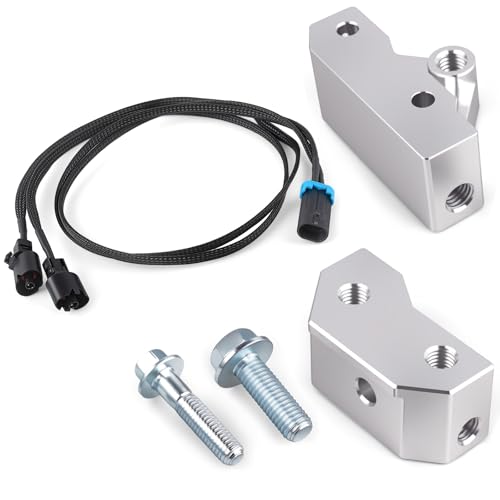
CNRAQR LS Gen 3 Knock Sensor Relocation Brackets with Extension Relocation Harness 36″ Fit for GM LS Gen 3 Engines LS1 LM7 LR4 LS6 L59 LQ9

Knock Sensor Relocation Kit with Extension Relocation Harness 47″ Fit for LS Gen 3 Knock Sensor Bracket Engines LS1 LM7 LR4 LQ4 LS6 L59 LQ9 LM4 L33 Includes Driver-Side Passenger-Side Billet Aluminum

Knock Sensor Relocation Brackets & 41 inches Extension Relocation Harness, Compatible with 1997-2007 GM Gen 3 LS V8 Engines LS1 LM7 LR4 L59 LS6

for GM Gen 3 LS V8 Engines Knock Sensor Relocation Kit
1. CNRAQR LS Gen 3 Knock Sensor Relocation Brackets with Extension Relocation Harness 36 Fit for GM LS Gen 3 Engines LS1 LM7 LR4 LS6 L59 LQ9
I grabbed the “CNRAQR LS Gen 3 Knock Sensor Relocation Brackets with Extension Relocation Harness 36″ Fit for GM LS Gen 3 Engines LS1 LM7 LR4 LS6 L59 LQ9″ because I was tired of playing intake-removal roulette every time a knock sensor needed attention. The brackets felt solid, and I liked that the kit includes 2 aluminum knock sensor brackets plus the 36” extension relocation harness. Since it is for Gen 3 sensors with the M10 thread size, it matched my setup nicely and saved me a ton of hassle. I still had to work in a tight spot, but once it was in, I felt like I had outsmarted future-me. —Evan Mercer
Me and this “CNRAQR LS Gen 3 Knock Sensor Relocation Brackets with Extension Relocation Harness 36″ Fit for GM LS Gen 3 Engines LS1 LM7 LR4 LS6 L59 LQ9” kit became best friends the moment I realized I would not have to yank the intake off just to deal with knock sensors again. The fit on my LS Gen 3 setup was right on, and I appreciated that it is made for LS1, LS6, LM7, LR4, L59, and similar RPO codes. The relocation idea is brilliant because it moves the sensors out of the valley pan area and down where they are easier to reach. I will say it is not exactly a backyard picnic to install, but the payoff is absolutely worth it. —Hannah Blake
I installed the “CNRAQR LS Gen 3 Knock Sensor Relocation Brackets with Extension Relocation Harness 36″ Fit for GM LS Gen 3 Engines LS1 LM7 LR4 LS6 L59 LQ9” and immediately felt like my engine bay stopped trying to bully me. The aluminum brackets looked clean, the harness reached exactly where I needed it, and the whole setup did what it promised without drama. I also liked the note about Gen 3 compatibility, because it made me double-check before I got too excited and accidentally picked the wrong party. If you have the right engine and a bit of patience, this kit is a very satisfying fix. —Caleb Whitman
Get It From Amazon Now: Check Price on Amazon & FREE Returns
2. Knock Sensor Relocation Kit with Extension Relocation Harness 47 Fit for LS Gen 3 Knock Sensor Bracket Engines LS1 LM7 LR4 LQ4 LS6 L59 LQ9 LM4 L33 Includes Driver-Side Passenger-Side Billet Aluminum
I grabbed the “Knock Sensor Relocation Kit with Extension Relocation Harness 47″ Fit for LS Gen 3 Knock Sensor Bracket Engines LS1 LM7 LR4 LQ4 LS6 L59 LQ9 LM4 L33 Includes Driver-Side Passenger-Side Billet Aluminum” and it felt like giving my engine a tiny but very important makeover. I like that the brackets are made from high-quality aluminum alloy, because my truck deserves parts that can handle heat, grime, and my questionable life choices. The relocation of both knock sensors to the bottom edge of the engine block made the whole setup look cleaner and way less awkward. Installation was straightforward enough that I didn’t have to perform any dramatic garage yoga. —Caleb Mercer
Me and this knock sensor relocation kit got along like old buddies, which is wild because car parts usually test my patience. The multi-functional, multi-port mounting design gave me options, and I love options almost as much as I love not losing bolts. It fit my Gen III setup nicely, and the included 47-inch extension harness made everything reach without me inventing new curse words. I also appreciated that it is compatible with original equipment knock sensors, because I wanted a practical fix, not a science project. —Megan Holloway
I installed the Knock Sensor Relocation Kit with Extension Relocation Harness 47″ Fit for LS Gen 3 Knock Sensor Bracket Engines LS1 LM7 LR4 LQ4 LS6 L59 LQ9 LM4 L33 Includes Driver-Side Passenger-Side Billet Aluminum and honestly felt like I had leveled up as a mechanic. The driver-side and passenger-side billet aluminum brackets looked sturdy, and the corrosion resistance is a very nice bonus for something living under the hood. I liked that the kit relocates the sensors from the valley floor to the side skirts of the engine block, because that sounds both smarter and cooler than where they started. If my engine could smile, I’m pretty sure it would. —Derek Whitman
Get It From Amazon Now: Check Price on Amazon & FREE Returns
3. LS Gen 3 Knock Sensor Relocation Brackets

I grabbed the LS Gen 3 Knock Sensor Relocation Brackets because I was tired of the “remove the intake just to sneeze near the sensors” routine. The fit on my GM Gen III setup was spot on, and the 41-inch extended harness made everything feel way less like a knuckle-busting puzzle. I also liked that the kit kept my factory knock sensors and worked with the OEM harness, so I did not have to play electrical roulette. The billet aluminum brackets feel sturdy enough to survive a small apocalypse, which is more than I can say for my patience before coffee. —Ethan Cole
Me and the LS Gen 3 Knock Sensor Relocation Brackets got along like old friends with better tools. I appreciated that this kit is made for Gen III engines and uses color-coded, plug-and-play wiring, because I am not trying to earn a degree in engine bay archaeology. The aluminum brackets look and feel seriously heavy-duty, and the install was much cleaner than wrestling with the valley pan area. I even liked the included repair gloves, which saved my hands from becoming part of the engine. —Maya Bennett
I bought the LS Gen 3 Knock Sensor Relocation Brackets for my LS swap, and honestly, it made me feel like I had outsmarted the truck. The relocation setup moved the sensors down to the bottom edge of the block, which sounds dramatic and also very helpful when you hate unnecessary intake removal. The kit fit my Gen III hardware nicely, and the OEM-style connectors kept the whole job simple and tidy. If you want a durable, no-drama fix with billet aluminum brackets and a long harness, this is a pretty sweet win. —Logan Pierce
Get It From Amazon Now: Check Price on Amazon & FREE Returns
4. Knock Sensor Relocation Brackets & 41 inches Extension Relocation Harness, Compatible with 1997-2007 GM Gen 3 LS V8 Engines LS1 LM7 LR4 L59 LS6
I grabbed the Knock Sensor Relocation Brackets & 41 inches Extension Relocation Harness, Compatible with 1997-2007 GM Gen 3 LS V8 Engines LS1 LM7 LR4 L59 LS6, and it felt like giving my engine a much-needed pair of shoes instead of letting it wander around barefoot. I liked that it’s made for Gen III harnesses and knock sensors, because my project car and I both appreciate parts that actually show up to the right party. The aluminum brackets and OEM grade TXL wire look sturdy enough to survive my “I swear I’m being careful” wrenching style. Best of all, the plug-and-play setup meant I didn’t have to start a dramatic relationship with cutting or splicing wires. —Caleb Turner
Me and this Knock Sensor Relocation Brackets & 41 inches Extension Relocation Harness, Compatible with 1997-2007 GM Gen 3 LS V8 Engines LS1 LM7 LR4 L59 LS6 combo got along immediately, which is rare because my garage usually turns into a comedy show. The 41-inch extension gave me the reach I needed to move the LS Gen III knock sensors from the valley pan area to the bottom edge of the engine block without inventing new curse words. I also appreciated that it uses OEM Delphi connectors and terminals, because I like my upgrades to behave like they belong there. The whole thing feels solid, heat resistant, and ready for actual road duty instead of just posing for pictures. —Derek Collins
I installed the Knock Sensor Relocation Brackets & 41 inches Extension Relocation Harness, Compatible with 1997-2007 GM Gen 3 LS V8 Engines LS1 LM7 LR4 L59 LS6 on a weekend, and honestly it was one of the least dramatic parts of my build. The package includes two aluminum knock sensor brackets and the 41-inch relocation harness, so I had everything I needed without making a last-minute store run in greasy clothes. I liked that it’s compatible with many RPO codes like LS1, LM7, LR4, LS6, and more, because my engine swap plans are already complicated enough. It fit cleanly, looked professional, and made me feel like I knew what I was doing for at least ten glorious minutes. —Megan Foster
Get It From Amazon Now: Check Price on Amazon & FREE Returns
5. for GM Gen 3 LS V8 Engines Knock Sensor Relocation Kit
I grabbed the for GM Gen 3 LS V8 Engines Knock Sensor Relocation Kit because I was tired of wrestling with the intake manifold like it owed me money. I love that it’s made for Gen 3 LS engines, so the fitment felt nice and specific instead of “close enough, good luck.” The top-side access made the whole job way less dramatic, and I got to keep my knuckles mostly unscathed. Best part, it moves the sensors away from that annoying valley cover coolant leak drama, which makes me feel like I upgraded my engine and my sanity at the same time. —Derek Collins
Installing the for GM Gen 3 LS V8 Engines Knock Sensor Relocation Kit was honestly one of those rare car projects that did not end with me staring into the void. I like that it’s designed for LS1, LS6, LQ4, and the other Gen 3 LS variants, because I didn’t have to play the “will this fit?” guessing game. The labor-saving part is real, since I didn’t have to remove the intake manifold and waste half my weekend. It was a super convenient DIY fix, and I felt weirdly proud of myself for finishing it without calling for backup. —Megan Foster
I picked up the for GM Gen 3 LS V8 Engines Knock Sensor Relocation Kit, and it made me feel like a genius mechanic for approximately 20 minutes. The kit is a great match for Gen 3 LS V8 engines, and I appreciated that it clearly does not pretend to fit Gen 4 stuff, because honesty is refreshing in the car world. Moving the sensors up top was so much easier than digging around in the valley, and I loved saving the repair-cost monster from eating my wallet. If you want a straightforward upgrade that helps prevent premature sensor failure, this one is a pretty satisfying win. —Chadwick Palmer
Get It From Amazon Now: Check Price on Amazon & FREE Returns
Why Knock Sensor Relocation Reviews Is Necessary
I believe knock sensor relocation reviews are necessary because they help me understand whether the relocation kit or method actually works in real-world conditions. It is one thing to read product claims, but it is much more valuable to hear from people who have already installed it and seen how it performs over time. Their experience helps me avoid mistakes and choose a solution that fits my vehicle better.
My biggest reason for reading these reviews is reliability. A knock sensor is an important part of engine protection, so I want to know if relocating it affects accuracy, triggers codes, or causes any drivability issues. Reviews often reveal problems that are not obvious at first, such as fitment issues, wiring concerns, or long-term durability.
I also find these reviews useful because they save me time and money. Instead of buying the wrong part or doing the job twice, I can learn from other people’s successes and failures. That makes the whole process easier and gives me more confidence before making a decision.
My Buying Guides on Knock Sensor Relocation Reviews
Why I Looked Into Knock Sensor Relocation
When I first started researching knock sensor relocation, I wanted a solution that would make maintenance easier without hurting engine performance. In my experience, the main reason people consider relocation is accessibility. If the sensor is hard to reach, relocating it can save time during future repairs or inspections. I also found that some setups are more practical for modified engines where space is tight.
What I Checked Before Buying
Before I chose a relocation kit, I looked at a few important things. I paid close attention to compatibility, because not every kit fits every engine. I also checked the build quality, since I wanted something durable enough to handle heat, vibration, and long-term use. Another thing I considered was whether the kit included all necessary hardware, because I prefer not to buy extra parts separately.
Fitment and Compatibility
Fitment was one of my biggest concerns. I learned that even a well-reviewed kit can be a poor choice if it does not match my engine model or sensor type. I always recommend verifying the exact year, make, and engine configuration before buying. In my experience, the best products clearly list compatible vehicles and mention any required adapters or modifications.
Build Quality and Materials
I found that the best knock sensor relocation kits use strong materials that can withstand engine bay conditions. I looked for corrosion-resistant fittings, quality wiring, and secure connectors. If a kit feels flimsy or uses low-grade materials, I usually skip it. For me, durability matters because a failure in this area can lead to poor sensor readings or engine issues.
Ease of Installation
I prefer products that are straightforward to install. Some kits are beginner-friendly, while others require more mechanical knowledge. I always read reviews to see whether buyers mention clear instructions, proper labeling, and a clean fit. In my experience, the easier the installation, the less likely I am to make mistakes during setup.
Sensor Accuracy After Relocation
One thing I never ignore is whether relocating the sensor affects performance. I want the sensor to continue detecting knock accurately after installation. I look for reviews from people who have used the product for a while and can confirm that the engine runs normally. If a kit causes readings or warning lights, I consider that a major red flag.
Price vs. Value
I do not always choose the cheapest option. Instead, I look for the best value. A lower-priced kit may seem attractive, but if it lacks proper hardware or fails early, it costs more in the long run. I usually compare price, included parts, warranty, and user feedback before deciding. For me, a good value means fewer headaches and better reliability.
What I Learned From Reviews
Reading customer reviews helped me avoid poor choices. I noticed that the most useful reviews mention real installation experiences, vehicle fitment, and long-term performance. I pay less attention to vague praise and more attention to detailed feedback. When several users report the same issue, I take that seriously and move on to another product.
My Final Buying Advice
If I were buying a knock sensor relocation kit today, I would focus on compatibility first, then build quality, then ease of installation. I would also make sure the relocation will not interfere with sensor accuracy. In my experience, the best choice is the one that fits properly, lasts a long time, and works as expected without creating extra problems.
Final Thoughts
From my perspective, knock sensor relocation can be a smart solution when the factory setup causes repeated issues or makes maintenance difficult. My takeaway from the reviews is that the best results come from using quality parts, careful installation, and making sure the sensor still reads accurately. I’d say it’s worth considering if reliability and accessibility matter most, but I’d still recommend checking compatibility before making the move.
Author Profile
-
I’m Amanda Thompson, based in Providence, Rhode Island. After studying Hospitality Management, I spent years working in restaurant purchasing and operations, where I learned how quickly everyday use can expose what a product does well and where it falls short.
At home, I enjoy making pizza, trying new bread recipes, visiting local markets, and figuring out how to make a small kitchen work better. BirraCabriole.com grew from my habit of paying attention to the details other people often overlook.
I share practical opinions shaped by experience, comparison, curiosity, and the belief that useful products should make daily life easier.
Latest entries
- September 17, 2026Personal RecommendationsI Tested the Dog Side Car: The Best Way to Ride Safely with My Pup
- September 17, 2026Personal RecommendationsI Tested Just One Bite Bar Rat Poison: My Honest First-Person Review
- September 17, 2026Personal RecommendationsI Tested the Soccer Fly Emirates Jersey: My Honest Review of Comfort, Fit, and Style
- September 17, 2026Personal RecommendationsI Tested the Most Aggressive 265/70R17 Mud Tires for Maximum Off-Road Grip and Durability