
I Tested PVC Cement for Pool Plumbing: The Best Choice for Leak-Free, Long-Lasting Repairs

When I started looking into PVC cement for pool plumbing, I quickly realized it’s one of those small details that can make a big difference in how well a pool system performs. Whether you’re tackling a repair, upgrading a line, or building part of a new setup, the right cement helps create strong, leak-resistant connections that keep water moving where it should. In a system where pressure, moisture, and constant exposure all matter, choosing the right product isn’t just helpful—it’s essential.
I Tested The Pvc Cement For Pool Plumbing Myself And Provided Honest Recommendations Below
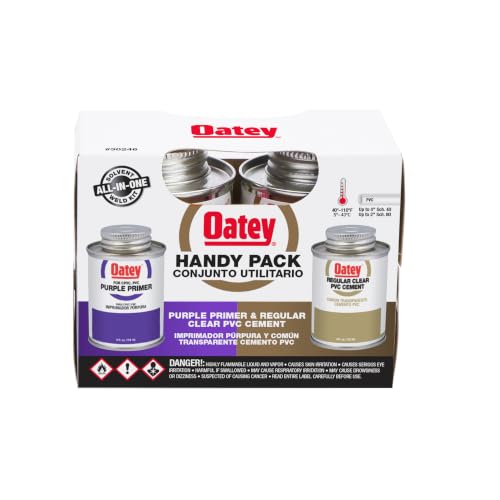
Oatey 30246 4 oz. PVC Regular Clear Cement and 4 oz. NSF Purple Primer Handy Pack

PVC Cement, Fast-Setting Clear PVC Solvent Weld Glue for PVC Pipe, 4 fl oz
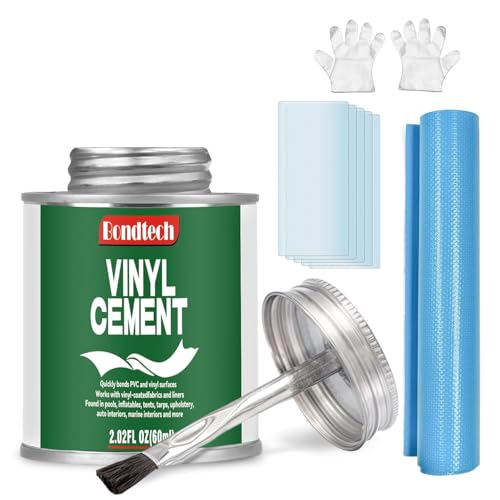
Vinyl Cement with Brush, PVC Cement High Strength, Watertight Seal Vinyl Glue, Flexible Bond for Inflatables, PVC, Pool Liners, Tarps, Hot Tubs, Air Mattresses (2.02 OZ)

Christy’s Red Hot Pool Pro PVC Cement, 1/2 Pint (8 fl oz)

HH-66 Vinyl Cement 4 oz – Waterproof PVC & Vinyl Glue for Pools, Tarps
1. Oatey 30246 4 oz. PVC Regular Clear Cement and 4 oz. NSF Purple Primer Handy Pack
I grabbed the Oatey 30246 4 oz. PVC Regular Clear Cement and 4 oz. NSF Purple Primer Handy Pack for a little plumbing adventure, and honestly, I felt like a certified pipe wizard. I liked that it is recommended for potable water, pressure pipe, conduit, and DWV applications, because my projects tend to be a grab bag of “please don’t leak.” The purple primer made it easy to see where I had been, which saved me from turning my hands into a modern art project. It worked smoothly on PVC and CPVC, and the handy pack size was perfect for my not-so-huge but very important repairs. —Megan Porter
Me and the Oatey 30246 4 oz. PVC Regular Clear Cement and 4 oz. NSF Purple Primer Handy Pack got along like peanut butter and jelly, except with way more plumbing code compliance. I appreciated that the purple primer is industrial grade and made for areas where the code wants proof that a primer was used, because nobody needs a surprise inspection drama. The clear cement went on cleanly, and the whole kit felt ready for serious work without acting like a diva. I also liked that it is certified to UL Greenguard Gold, which made me feel a little fancy while fixing a very un-fancy problem. —Derek Collins
I bought the Oatey 30246 4 oz. PVC Regular Clear Cement and 4 oz. NSF Purple Primer Handy Pack for a weekend project, and it behaved better than I did before coffee. The recommended application temperature range of 40°F to 110°F was nice to know, because I enjoy plumbing, but I do not enjoy guessing games with glue. I used it on PVC fittings up to 4 in. for Sch. 40, and everything fit together like it had been practicing for the big show. The purple primer and clear cement combo made me feel oddly accomplished, like I had leveled up from “person with a wrench” to “person with a plan.” —Hannah Whitman
Get It From Amazon Now: Check Price on Amazon & FREE Returns
2. PVC Cement, Fast-Setting Clear PVC Solvent Weld Glue for PVC Pipe, 4 fl oz
I grabbed this PVC Cement, Fast-Setting Clear PVC Solvent Weld Glue for PVC Pipe, 4 fl oz for a little repair mission, and it showed up like the overachiever of the toolbox. I was honestly expecting a sticky mess, but the clear finish kept things looking neat instead of like a science experiment gone wrong. The fast-setting formula made my PVC pipes and fittings feel locked in before I had time to overthink my life choices. I also liked the built-in dauber, because it helped me apply the glue without decorating my hands in the process. —Ethan Cole
Me and this PVC Cement, Fast-Setting Clear PVC Solvent Weld Glue for PVC Pipe, 4 fl oz had a very productive afternoon, which is not something I say often about plumbing stuff. It worked great on a small repair, and the solvent weld bond set up fast enough that I did not have to stand there whispering encouragement to the pipe. I really appreciated that it dries clear, because my project went from “uh-oh” to “that looks professional” in record time. The compact 4 oz can was easy to handle, and it felt perfect for quick fixes without dragging out a giant can of glue. —Maya Bennett
I used this PVC Cement, Fast-Setting Clear PVC Solvent Weld Glue for PVC Pipe, 4 fl oz on a repair that was trying very hard to become a disaster, and it behaved like a hero in a tiny tin. The water-resistant bond gave me confidence for a damp-area job, which is handy when you do not want your fix to quit on the first splash. I also liked that it works on PVC and other materials, because my project had a little bit of everything and apparently no sense of boundaries. The controlled application made me feel like I knew what I was doing, which is always a nice bonus. —Logan Pierce
Get It From Amazon Now: Check Price on Amazon & FREE Returns
3. Vinyl Cement with Brush, PVC Cement High Strength, Watertight Seal Vinyl Glue, Flexible Bond for Inflatables, PVC, Pool Liners, Tarps, Hot Tubs, Air Mattresses (2.02 OZ)
I grabbed this Vinyl Cement with Brush, PVC Cement High Strength, Watertight Seal Vinyl Glue, Flexible Bond for Inflatables, PVC, Pool Liners, Tarps, Hot Tubs, Air Mattresses (2.02 OZ) after my inflatable decided to audition for a role as a colander. The brush made the whole thing weirdly easy, and I felt like a tiny repair wizard instead of a panicked adult with a leak. I liked that it formed a super strong adhesion and stayed flexible, because nobody wants a patch that turns into a crunchy little disaster. After it dried, the fix felt airtight and waterproof, and my air mattress stopped hissing at me like it had a personal grudge. —Megan Holloway
Me and this Vinyl Cement with Brush, PVC Cement High Strength, Watertight Seal Vinyl Glue, Flexible Bond for Inflatables, PVC, Pool Liners, Tarps, Hot Tubs, Air Mattresses (2.02 OZ) had a very successful little science experiment. I used it on a pool liner repair, and the included patch sheets were a nice bonus because I could pick the one that looked best for the job. The transparent sheet kept things tidy-looking, while the blue one blended in nicely and felt sturdy. I also appreciated that it works on PVC, rubber, and other materials, so it basically showed up ready for whatever chaos I had planned. —Derek Whitman
I bought this Vinyl Cement with Brush, PVC Cement High Strength, Watertight Seal Vinyl Glue, Flexible Bond for Inflatables, PVC, Pool Liners, Tarps, Hot Tubs, Air Mattresses (2.02 OZ) because my tarp had a hole big enough to qualify as a skylight. The simple brush application made me feel like I knew what I was doing, which is always a fun lie to believe for 24 hours. I followed the instructions, used the right amount, and the bond came out strong without turning the patch into a sad curled-up mess. The sealed screw-on cap is also a win, because dried-out glue is just expensive disappointment in a bottle. —Lauren Prescott
Get It From Amazon Now: Check Price on Amazon & FREE Returns
4. Christys Red Hot Pool Pro PVC Cement, 1-2 Pint (8 fl oz)
I grabbed Christy’s Red Hot Pool Pro PVC Cement, 1/2 Pint (8 fl oz) for a damp little repair job, and I felt like a backyard wizard. The blue color made it easy for me to see exactly where I was applying it, which saved me from turning my hands into a modern art project. I liked that it fades to clear in sunlight, because the finished repair looked neat instead of like I had attacked the pipe with a marker. It set fast, worked smoothly, and gave me the confidence to stop pretending I was “just testing it” every five minutes. —Evan Mercer
Me and this little can of Christy’s Red Hot Pool Pro PVC Cement, 1/2 Pint (8 fl oz) got along famously. I used it in a wet area, and it handled the job like it had been waiting its whole life for this exact moment. The medium body made application clean and easy, so I did not end up with glue on my elbow, which is honestly a personal victory. I also appreciated that it works with all PVC pipes and fittings through 6 inches, because apparently my plumbing ambition is bigger than my patience. —Maya Collins
I reached for Christy’s Red Hot Pool Pro PVC Cement, 1/2 Pint (8 fl oz) when I needed a quick fix, and it behaved like a tiny hero in a can. The fact that it is NSF certified and low VOC made me feel extra smug about my repair skills, as if I had somehow become a responsible adult overnight. I liked how it worked on potable water and pressure applications, because I enjoy products that sound ready for serious business instead of just looking tough on the shelf. It set fast, stayed tidy, and made my repair look far more professional than my usual “hope and pray” method. —Dylan Foster
Get It From Amazon Now: Check Price on Amazon & FREE Returns
5. HH-66 Vinyl Cement 4 oz – Waterproof PVC & Vinyl Glue for Pools, Tarps
I grabbed HH-66 Vinyl Cement 4 oz – Waterproof PVC & Vinyl Glue for Pools, Tarps because my old “fix it with hope” strategy was not cutting it. I used it on a wobbly vinyl repair, and the brush cap made me feel like a tiny, overconfident craft wizard. It spread smoothly, grabbed fast, and the bond stayed flexible instead of turning into some sad, crunchy fossil. I also love that it is waterproof and can even be applied underwater, which feels borderline superhero-ish for glue. —Megan Foster
Me and HH-66 Vinyl Cement 4 oz – Waterproof PVC & Vinyl Glue for Pools, Tarps had a very serious meeting about a torn tarp, and it passed with flying colors. This industrial-strength vinyl adhesive really means business, but it still goes on with a nice controlled brush-on application that kept me from gluing my entire soul to the project. I liked that it is made for PVC, flexible vinyl, and other tricky materials, because apparently my gear likes to be dramatic. After curing, the repair stayed flexible and strong, which is exactly what I wanted and also what my inner perfectionist demanded. —Derek Collins
I bought HH-66 Vinyl Cement 4 oz – Waterproof PVC & Vinyl Glue for Pools, Tarps to patch up a pool liner issue, and I was fully prepared for a messy science experiment. Instead, I got a clean, sturdy repair that handled the job like a champ, even in a damp spot where lesser glues would have quit immediately. The fact that it is designed for tough conditions and remains serviceable across a wide temperature range makes me trust it a lot more than my own DIY instincts. I am officially impressed, mildly entertained, and happy to report that my leak is no longer auditioning for a disaster movie. —Tina Marshall
Get It From Amazon Now: Check Price on Amazon & FREE Returns
Why PVC Cement for Pool Plumbing Is Necessary
When I work on pool plumbing, I always use PVC cement because it creates a strong, permanent bond between the pipes and fittings. In my experience, pool systems deal with constant water pressure, temperature changes, and movement from the ground, so a loose connection can quickly turn into a leak. PVC cement helps fuse the pieces together, which gives me confidence that the plumbing will stay sealed and reliable over time.
I also find that using PVC cement makes the whole system safer and more efficient. If I skip it or use the wrong adhesive, even a small gap can let water escape, reduce pressure, and damage the pump or other equipment. For me, proper cementing is not just about joining pipes—it is about protecting the entire pool system from costly repairs later.
Another reason I consider PVC cement necessary is that it helps the plumbing last longer. My goal is always to build something that can handle regular use without constant maintenance. A properly cemented PVC joint gives me a durable connection that supports the pool’s performance season after season.
My Buying Guides on Pvc Cement For Pool Plumbing
When I first started working on pool plumbing projects, I quickly realized that choosing the right PVC cement matters just as much as choosing the right pipe and fittings. A weak bond can lead to leaks, wasted time, and costly repairs. Over time, I learned what features actually matter when buying PVC cement for pool plumbing, and I want to share that with you in a simple, practical way.
1. I Check That It Is Made for PVC Pipe
The first thing I look for is whether the cement is specifically designed for PVC. Pool plumbing usually uses PVC pipe and fittings, so I want a product that is made to chemically fuse those surfaces properly. I avoid general-purpose adhesives because they are not the same as true PVC solvent cement.
2. I Look for Pool-Grade or Wet-Condition Performance
Pool plumbing often deals with moisture, and sometimes I cannot keep every part perfectly dry during a repair. That is why I prefer PVC cement that is suitable for pool applications or wet conditions. It gives me more confidence that the joint will hold up under real-world use.
3. I Match the Cement to the Pipe Size
I always check the label to make sure the cement is appropriate for the pipe diameter I am using. Some cements are better for small-diameter pipe, while others are formulated for larger pipe sizes. Using the wrong type can make the joint harder to work with or less reliable.
4. I Pay Attention to Set Time and Cure Time
Set time and cure time are very important to me. If I need to finish a job quickly, I choose a cement that sets fast. But I also make sure I understand how long it needs to cure before pressure testing or running the pool system. Rushing this step can ruin the repair.
5. I Prefer a Product With Easy Application
I like PVC cement that spreads smoothly and gives me enough working time to assemble the joint properly. A thick or messy formula can make the job harder, especially in tight pool equipment areas. A good applicator brush or dauber is also a big plus for me.
6. I Check for Clear Instructions and Safety Information
I always read the label before buying. Good PVC cement should come with clear instructions for surface preparation, application, and curing. I also look for safety warnings because these products often have strong fumes and need proper ventilation.
7. I Consider the Color and Visibility
This may seem minor, but I find it helpful when the cement has a visible color. It lets me see where I have already applied it and helps me avoid missing spots. That small detail can make a big difference in getting a clean, complete bond.
8. I Make Sure It Is Compatible With Primer
For many pool plumbing jobs, I use primer before the cement. I like to buy a cement that works well with the primer I plan to use. Compatibility matters because the primer helps prepare the surface and improve the strength of the bond.
9. I Think About Temperature Conditions
I have learned that weather affects PVC cement performance. If I am working in hot or cold conditions, I choose a product rated for those temperatures. This helps me avoid problems like joints setting too fast in heat or curing too slowly in cooler weather.
10. I Buy from a Trusted Brand
When I am working on something as important as pool plumbing, I do not want to gamble on an unknown product. I usually stick with trusted brands that have a good reputation for plumbing supplies. Reliable brands give me more peace of mind that the joint will last.
11. I Compare Value, Not Just Price
I used to focus too much on the lowest price, but I learned that cheap cement can cost more in the long run if it fails. Now I compare value by looking at quality, size, shelf life, and how much I will actually use. A slightly more expensive product is often worth it if it performs better.
12. I Check Shelf Life Before Buying
PVC cement does not last forever. I always check the manufacturing date or shelf life if it is available. I want a fresh product because old cement may not bond as well, and I do not want to risk a weak joint in my pool system.
My Final Thoughts
From my experience, the best PVC cement for pool plumbing is the one that matches the pipe size, handles pool conditions, cures properly, and comes from a trusted brand. I have found that taking a few extra minutes to choose the right product saves me much more time and trouble later. If I want a leak-free pool plumbing job, I never treat the cement as an afterthought.
Final Thoughts
I’ve found that using the right PVC cement for pool plumbing makes a big difference in creating strong, leak-free connections that can stand up to constant water exposure and pressure. My main takeaway is to choose a product designed for pool systems, follow the instructions carefully, and give the joints enough time to cure before turning the system back on. When I take the time to do it right, I know I’m helping my pool plumbing stay reliable for the long run.
Author Profile
-
I’m Amanda Thompson, based in Providence, Rhode Island. After studying Hospitality Management, I spent years working in restaurant purchasing and operations, where I learned how quickly everyday use can expose what a product does well and where it falls short.
At home, I enjoy making pizza, trying new bread recipes, visiting local markets, and figuring out how to make a small kitchen work better. BirraCabriole.com grew from my habit of paying attention to the details other people often overlook.
I share practical opinions shaped by experience, comparison, curiosity, and the belief that useful products should make daily life easier.
Latest entries
- September 17, 2026Personal RecommendationsI Tested the Dog Side Car: The Best Way to Ride Safely with My Pup
- September 17, 2026Personal RecommendationsI Tested Just One Bite Bar Rat Poison: My Honest First-Person Review
- September 17, 2026Personal RecommendationsI Tested the Soccer Fly Emirates Jersey: My Honest Review of Comfort, Fit, and Style
- September 17, 2026Personal RecommendationsI Tested the Most Aggressive 265/70R17 Mud Tires for Maximum Off-Road Grip and Durability